Submersible and Sump Pumps: What's Worth Repairing
Submersible and sump pumps fail for a small number of predictable reasons. Here's what to check before you decide whether to pull one for repair.
September 2, 2026 · 3 min read
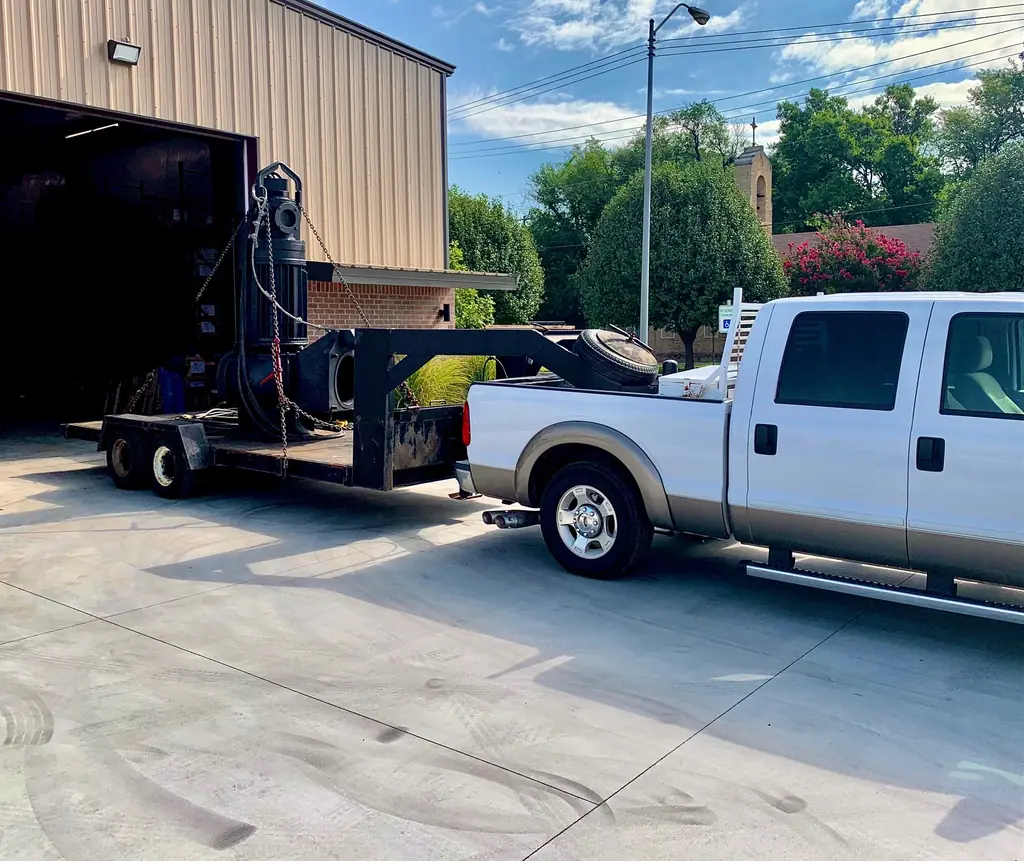
Submersible and sump pumps have a harder job than most rotating equipment simply because of where they live. They run wet, often continuously, frequently underground or in a pit, and by the time anyone notices a problem it is usually already affecting whatever the pump was there to protect, a flooded pit, a stalled irrigation run, a process that depends on it moving.
Why these pumps fail
Most submersible and sump pump failures trace back to one of a small number of causes. The seal that keeps water out of the motor housing wears or fails, and once water gets into the motor compartment, the windings are usually not far behind. Bearings wear from continuous running, especially in pumps that cycle on and off constantly rather than running steadily. Impellers and wear rings erode from whatever is in the water, grit, sediment, debris, which reduces flow and efficiency even before the pump stops working outright. And in irrigation and agricultural settings specifically, sediment and mineral content in well water accelerates all of the above compared to a pump running on clean water.
What's usually worth repairing
The mechanical wear items, seals, bearings, and impeller and wear ring damage, are generally worth repairing rather than replacing the whole pump, especially on larger units where the motor itself is still sound. Shaft machining is part of this too; a shaft worn at the seal or bearing seats can often be machined back to spec rather than requiring a whole new pump. Where the motor windings have taken water damage but the mechanical parts, housing and impeller are still good, a rewind on the motor end, paired with new seals and bearings, brings the whole unit back rather than starting over.
What tips it toward replacement
A pump housing that has cracked or corroded through, rather than just worn at the wear surfaces, is a different situation, since the housing is what everything else mounts to and repairing a compromised one is rarely practical. Very small, low-cost sump pumps are also often more sensibly replaced outright than repaired, for the same reason small fractional motors usually are, the labor to diagnose and rebuild can exceed the cost of a new unit at that size. Larger submersible pumps, the kind used in irrigation wells or industrial sumps, are almost always worth repairing because replacement means a new pump plus the labor to pull the old one and install the new one, on top of whatever downtime that takes.
What to check before you pull one
- How is flow or output performing compared to when the pump was new? A gradual drop usually points to impeller or wear ring erosion rather than a sudden failure.
- Is the pump still running but cycling more often, or running longer, than it used to? That can point to bearing wear or a partially clogged impeller before it becomes a full stop.
- Has the pump actually stopped, or tripped a breaker? A tripped breaker paired with a pump that will not restart often means water has reached the motor windings.
- What is in the water it's pumping? Sediment, grit or mineral content changes how fast wear parts go and is useful information for whoever repairs it.
- Is this a repeat failure? A pump that keeps failing the same way often has an installation or application issue, the wrong pump for the duty, inadequate screening ahead of it, rather than a pump quality issue.
On-site or in the shop
Pulling a submersible pump, especially a large one from a well or a deep sump, is often the harder part of the job logistically. Pickup and on-site work is part of how this gets handled in practice, rather than every pump needing to travel to a shop bench before anyone looks at it, and vibration analysis and diagnosis can happen at the job site as easily as in the shop.
Capitol Electric Motor Repair's mechanics specialize in repairing submersible and sump pumps, including seal and bearing replacement, shaft machining, and wear ring and impeller repair, along with the VFD work for pumps that run on variable speed. Family owned in Oklahoma City since 1964, with 24-hour emergency service and on-site pickup. Call (405) 235-9638.
Capitol Electric Motor Repair Inc., (405) 235-9638
Call (405) 235-9638More articles
Repair or Replace: How to Decide on an Industrial Motor
A plant motor going down is not automatically a buying decision. Here's how to think through repair versus replacement, and why the math changes with horsepower.
What a Motor Rewind Actually Involves
Rewinding a motor is a real, sequenced process, not a slogan. Here is what happens between a failed motor arriving and a rebuilt one going back to work.