The Warning Signs a Motor Gives Before It Fails
Motors rarely fail without notice. Heat, noise, vibration and current draw all tell you something beforehand, if someone is paying attention.
September 2, 2026 · 3 min read
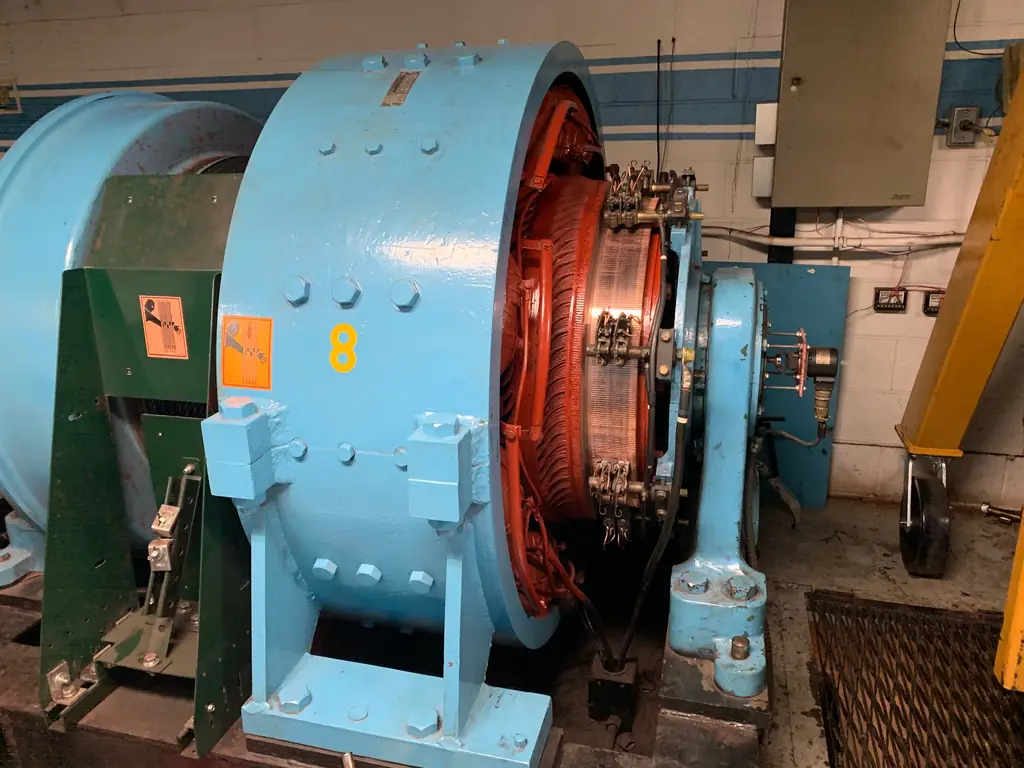
Motors very rarely just stop. Something usually changes first, sometimes for weeks, sometimes for months, and the plants that catch it early are the ones that schedule a repair on their own terms instead of losing a production line without warning. The four signals worth paying attention to are heat, noise, vibration and current draw, and each one tends to point toward a different kind of problem.
Heat
A motor that runs noticeably hotter than it used to, or hotter than an identical motor doing the same job elsewhere in the plant, is telling you something is working harder than it should. That can mean the windings are starting to break down and losing efficiency, it can mean a bearing is starting to drag, or it can mean the motor is being asked to do more work than its rating, whether from a mechanical load that has increased or from being undersized for the application in the first place. Heat on its own is not a diagnosis. Heat that is new, or heat paired with any of the other three signs below, is worth a closer look before it becomes a burned winding.
Noise
A healthy motor has a steady, even sound. A new grinding, whining or rattling noise almost always means something mechanical, most often a bearing starting to fail. Bearings give a fairly distinct progression: a faint noise that gets slightly louder over weeks, then a rougher, more irregular sound as the bearing surface degrades further. Left alone, a failing bearing does not just wear out on its own schedule. It generates heat and vibration that can damage the shaft and, eventually, take the windings with it, turning a bearing job into a full rewind.
Vibration
Vibration is the signal most likely to get ignored because it is easy to feel and hard to quantify without instruments. A motor that has developed a new vibration, whether you notice it by hand on the housing or see it in a coupling or belt starting to wear unevenly, usually means one of three things: an unbalanced rotor, a shaft or coupling that has come out of alignment, or a bearing on its way out. Vibration analysis, done either in a shop or on-site with the motor still coupled to whatever it drives, can usually tell which of the three it is before you take anything apart, which saves guessing.
Current draw
This one needs a baseline to be useful. A motor pulling noticeably more current than its nameplate rating, or more than it used to pull for the same job, is a sign the motor is working harder than it should to produce the same output. That can point to winding degradation, a mechanical drag from a failing bearing, or a load that has genuinely increased. It is also one of the more useful checks for catching single-phasing, where one of three phases has lost power and the motor tries to keep running on the remaining two. A motor running single-phased will draw high current, run hot, and burn its windings quickly if it is not caught, so an unexplained current spike is worth investigating right away rather than at the next scheduled check.
What to do with any of these
- Note when the change started and whether it is getting worse, steady, or intermittent.
- Compare against a baseline if you have one, an identical motor elsewhere, or the motor's own nameplate rating.
- Do not wait for a bearing noise or a heat increase to become a stopped motor if the equipment is critical to production.
- If more than one of these signs shows up together, treat it as more urgent, not less.
Catching a problem at the noise and heat stage instead of the burned winding stage is almost always the cheaper outcome, and it is usually the difference between a scheduled repair and an unplanned shutdown. Capitol Electric Motor Repair offers 24-hour emergency service and can come to your site for vibration analysis and diagnosis, or take the motor into the shop on SW 11th Street. Family owned and working on motors in Oklahoma City since 1964. Call (405) 235-9638.
Capitol Electric Motor Repair Inc., (405) 235-9638
Call (405) 235-9638More articles
Repair or Replace: How to Decide on an Industrial Motor
A plant motor going down is not automatically a buying decision. Here's how to think through repair versus replacement, and why the math changes with horsepower.
What a Motor Rewind Actually Involves
Rewinding a motor is a real, sequenced process, not a slogan. Here is what happens between a failed motor arriving and a rebuilt one going back to work.